
There are certain things in life that ought to be simple. Turning on a light, for example. And yet, somehow, we managed to turn this most straightforward of activities into something of a technological endurance test.
When we were renovating the house, we bought some smart light bulbs for the bedrooms. The idea was appealing enough. Beautiful, warm lighting, adjustable to suit the time of day, and the possibility of having the lights come on automatically in the evening. All very clever. All very straightforward.
Or so we thought…
The bulbs were installed. The app was downloaded. Instructions were followed. Instructions were followed again. There was some discussion, a certain amount of sighing, and eventually a collective throwing up of hands. Pete has patience. I have considerably less. And so, for quite some time, our supposedly smart bulbs remained rather ordinary bulbs. They illuminated the bedrooms when we pressed the switches, and that was that.
Until this week…
For reasons I can’t entirely explain, we decided to revisit the whole business. The app in question was Tuya, and after a little account recovery, some experimentation and a considerably more successful attempt at connecting everything, we discovered something rather remarkable. The bulbs actually worked. Not only could we turn them on and off from our phones, but we could adjust their brightness and change the warmth of the light. And, most importantly, we could set a schedule.
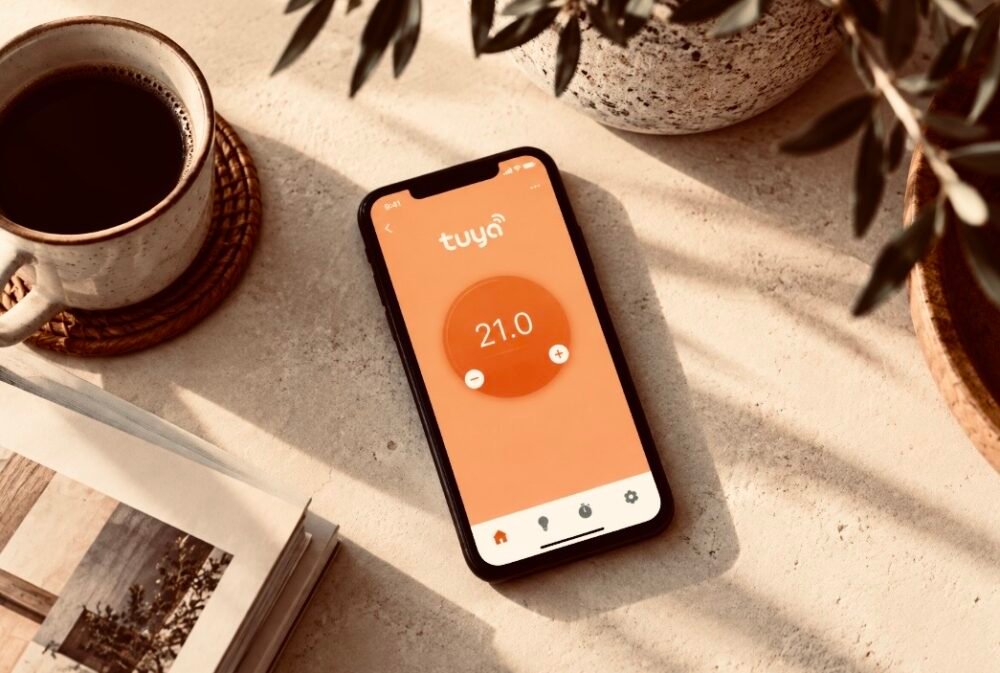
Every evening, at nine o’clock, the bedroom lights now will come on. At midnight, they will switch themselves off.
No intervention required. No wandering upstairs to switch things on. Just a little pool of warm light appearing exactly
when we’d asked it to. Of course, there is one small detail. The wall switches need to remain on. An entirely reasonable requirement, but one that will take a little getting used to when you’ve spent your entire life switching lights off as you leave a room.
And then came the moment of truth. We were supposed to check at nine o’clock that evening to see whether our carefully programmed schedule had worked. Naturally, we forgot. At twenty to ten, we suddenly remembered, went upstairs and found the bedrooms beautifully illuminated. They’d done it. All by themselves.
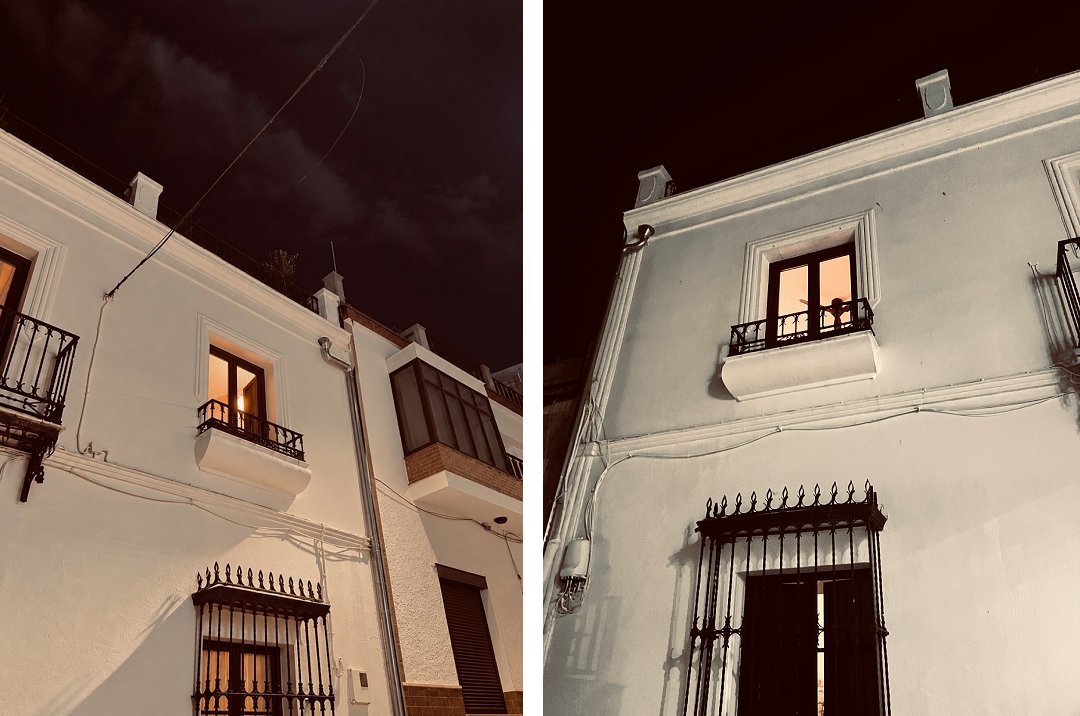
And the really lovely thing was that the lighting was exactly what we’d hoped for when we first bought the bulbs. Soft, warm and welcoming. The kind of light that makes a room feel particularly inviting on an autumn evening. And so, after months of neglect, our supposedly smart bulbs have finally earned their name. Every evening, at nine o’clock, the bedrooms will quietly illuminate themselves. At midnight, the lights will go out. Absolutely no intervention required.
A small thing, perhaps. But as the evenings grow darker and the house begins to settle into its autumn rhythms, it feels lovely. And now that we’ve discovered what a little technology can do, we’re beginning to wonder what else might be possible…
But that’s a story for another day.
0 Comments