by Helen | Jan 22, 2020 | France, Travel

We first discovered the beautiful medieval city of Metz, two years ago, on our first road trip from Istria to England, for Christmas. Positioned where it is, in north eastern France, it was a good place to stop and break up the journey to Calais. We’ve stayed a few times since – and although there are undoubtedly many fabulous places to rest our heads, we now just opt for Hôtel de la Cathédrale, which, as stated on the website, is very definitely, a hotel full of charm and character, in the beautiful heart of Metz. Housed in a 17th C building, the hotel is utterly charming, full of French antiques and, certainly in the variety of rooms we’ve stayed, oozing with vintage vibes. I’ve never stayed here and not returned home with a few ideas…


We arrived earlier this trip, and so took advantage of the additional time we had, to take in the festive atmosphere in Metz. There’s something about being abroad at Christmas – especially if it’s quite cold and everyone is wrapped up. It’s also really lovely seeing how other places “do” Christmas – I’ve yet to see anything on our travels, that’s not utterly exquisite. See for yourself – this is how Metz does Christmas…

Iconic city centre buildings, such at the Cathedral (right opposite our hotel), were illuminated at night, to stunning effect…

Another advantage to staying in the hotel we stay in, is that literally next door, is the most amazing restaurant – La Cucina di Casa. Always packed with locals – no English voices, all French. Always a good sign when the locals chose it! Not only is it sumptuously decorated with rich red velvet drapes, deep red and navy blue walls and packed full of gorgeous French paraphenalia, but it also serves the most mouth-watering pizzas. Thin bases, with just the right amount of toppings.
We do keep promising ourselves that we’ll make the trip to Metz in the spring or summer as it will be beautiful, but for us it’s just such a Christmas city, that I don’t want to break the festive spell, just yet…

by Helen | Jan 21, 2020 | Travel, UK
When we drive back to England, we tend to do a much needed stopover in the south-east after the ferry crossing from Calais. This year, we plumped for The Falstaff in Canterbury, which, according to its website –
…has been a focus for hospitality in Canterbury for over 600 years. A traditional 15th century coaching inn, the hotel is steeped in history…
Only 30 minutes from the Port of Dover, we found it to be absolutely ideal for what we wanted. As we were travelling for a few weeks, and therefore staying at a quite few places on our travels, we couldn’t splash out on the most expensive rooms. The hotel (the rooms are situated above a bar and restaurant, more of which later) offers rooms called “Cosy Doubles”, and we decided to book one of these, knowing that it would probably be a bit on the small side, especially given the description on the website –
Our cosy double rooms comprise one small double bed and are all ensuite. All rooms have baths and integrated showers or walk-in showers, hairdryers, tea and coffee making facilities and flatscreen televisions with Freeview. They are best suited as double rooms for single occupancy, but do make for very cosy double rooms also. If you require more space we recommend booking one of our traditional double rooms. Cosy double rooms cannot accommodate extra beds and cannot be used as twin.
We were prepared to be a bit cramped but it was only for one night, so weren’t overly concerned. But, we definitely weren’t expecting what we were actually allocated.

First impressions of the hotel were excellent. Located just outside the famous medieval gateway, known as Westgate Towers, it was clear immediately that a lot of thought and creativity had gone into the refurbishment of The Falstaff. The reception area is a beautiful room in its own right, and I think we were lucky to visit just before Christmas and see it in all of its festive glory.

Room 1 (take note of that number if you want a room that doesn’t break the bank, is much larger than you might think it will be and doesn’t scrimp on design details) is up in the eaves of the building – it’s called one of the Turret Rooms. If you are tall, you need to be aware that the ceilings are low, with exposed beams – there are notices alerting you to this, but best to just watch out. Once inside the room, we were really, really surprised at the size of this cosy double. The bed was definitely not small – it was more than spacious and super comfortable, with gorgeous white Egyptian cotton bed linen. Sumptuous velvet cushions and throws, in pale pinks and greens, added texture and colour. The room had everything you would need for a stay – excellent wi-fi, wall-mounted TV (so out of the way), a good size table/desk & chair, ample storage, soft lighting with switches next to the bed (always a plus point!), tea and coffee making facilities and a really good selection of said teas and coffee. Thick curtains and a double glazed panel, which slid across the old leaded windows, kept the heat in and the noise out. If you like your rooms to be on the toasty side, then the cast iron radiator will definitely warm your cockles. However, it was just a bit too toasty for us and we actually turned it off completely – and the room was still warm enough.

When we are travelling, we usually accept that if a room we book, offers a bath or a shower, we’ll end up with the shower, unless we specifically request a bath. We didn’t on this occasion, and so expected a teeny weeny bathroom with a shower shoe-horned in. Wrong! The bathroom was huge, with a great bath and a very powerful shower. Double treat! I think you can tell a lot about a hotel from the attention to detail in the bathroom. It’s easy to bung in a relatively inexpensive white bathroom suite and for it to look OK, but when you can see that what has been installed isn’t budget, it does make a massive difference. A heavy ceramic bath and sink, beautiful waterfall taps, rain-head shower. And metro tiles. Plus, another leaded window. And the fluffiest, whitest, cleanest towels.

As mentioned previously, downstairs there is a bar and restaurant area, with a number of interesting rooms, perfect for groups of friends or cosying up by one of the log fires. Again, Christmas time definitely lent itself to a more cosy look, but I’m guessing The Falstaff gets it right all year round. (And, with it being Xmas, the bar was busy, but we didn’t hear a thing once we’d retired to our room).

A big plus for us, as we don’t travel light on our roadtrips, was the secure car parking (for an additional £10 per day), at the rear of the hotel. Easily accessible and as far as we were concerned, super secure. Breakfast was another plus. Buffet style, and in a lovely dining area, there was more than enough choice. Cereals, cheeses, hams, bread, fruit, juices – as well as a hot breakfast, with excellent quality produce.
We actually rated The Falstaff so highly that we chose to reurn, this time for two nights, on our journey back to Dover. Booking directly via the hotel (as opposed to Booking.Com) meant a discount was applied to both the room rate and the breakfast. And we got Room 1 again. Just like a home from home.
PS – the bar has a very extensive cocktail and gin menu. I’d like to personally recommend the Salted Caramel Martini. Probably the best I’ve had…


by Helen | Jan 10, 2020 | Lifestyle
When we travel back to England for Christmas, we don’t fly. Flying is a real hassle, even when it’s the short two & a half hour flight we do from Pula to Manchester. Plus, we’re becoming more & more aware of the impact of flying – but, we have to get back some way, and so driving is the best option open to us at the moment. I know that what we’re gaining from not flying, we’re losing by driving, but there’s no viable alternative. So, this year I made a determined effort to try and do what I could to make a tiny contribution to being a bit more ethical at Christmas.
It would be brilliant if we could buy everything locally and be able to walk to independent shops – but we’re not in West Didsbury any more. Where we live now, in northern Istria, driving is unfortunately part and parcel of every day life. So, buying things does mean driving – and sometimes ordering online. Therefore, I decided that rather than wrap presents in paper which was foiled, or contained glitter, or use that curly shiny ribbon, I’d try and be a bit more “eco” – especially given that our current lifestyle doesn’t easily lend itself to doing this on a grand scale, currently.
So, what did I do? I bought the following…
- Rolls of brown paper
- Twine & string from a local garden centre
- Corrugated cardboard luggage labels
- Faux sprigs of eucalyptus
…and, hey presto! For very little money and using components that could be reused and/or recycled, some very pretty packaging emerged. And not a sheet of shiny paper involved…


Like I say, it’s not quite as easy – or as convenient – here in Istria, to be eco on a consistently daily basis. We do recycle as much as we can at home, and we use the public recycling facilities here. We’ve just bought re-usable veg bags (spotted in Sainsbury’s over Xmas) which can be washed, so this also means we’re able to cut down on plastic fruit & veg bags when we go shopping. Bags for life have replaced throwaway plastic bags. We use a water filter jug, so no longer buy plastic bottles of water.
However, because of our location, we are very much reliant on our car. There is no local transport network to speak of, so driving is how get around. We are very conscious of this – but hopefully the small steps we are starting to make, will begin to make a tiny difference.

by Helen | Dec 18, 2019 | Travel, UK
Although it’s been a while since I lived in the North East, we do still get to experience it when we visit family. It’s become a bit of a tradition that we do a bracing post-Christmas walk, usually on the coast, and this year was no exception. On the day after Boxing Day, we headed to Tynemouth. The weather was as we expected – windy, cold and drizzly. But that didn’t stop people being on King Edward’s Beach, under the imposing priory.

We decided that the weather was just perfect for a fish lunch. This being the hardy north east, where a blustery wind from Scandinavia doesn’t stop things – you just adapt and do them differently – Riley’s Fish Shack was open, and a very long queue starting to form. If you’ve not heard about this place, where have you been? Snuggling in under the cliffs – if you don’t peer over the Edwardian railings at the top, you’ll miss it – is the most wonderful eatery, we swear you’ll ever encounter. Constructed from two open-fronted shipping containers, this is steampunk heaven. With fish. The best, freshest fish you can imagine.


The menu is simple. It consists of what fresh fish they have, at the time you arrive. When it runs out, it runs out. Everything is sourced locally – I mean, how could you source from anywhere else other than the North Sea, when it’s literally lapping around the containers? There’s always a buzz in the queue – and there is *always* a queue as this place is beyond popular – about what’s on the menu. Listen to what other people are drooling over, because if they’re in the queue ahead of you, they’re watching their fish being prepped and cooked. We knew on our last visit that the Goan Monkfish Curry and the Monkfish Tail Kebabs were dead certs – more of the food later, but wowsers!
If you like your interiors to be pristine, with bookable tables and table service etc, this may not be for you. But, if you like quirky surroundings, where you sometimes need to table-share with strangers, and be warmed up with throws and by woodburners, this place is probably right up your street. There is bench-like seating at the front, overlooking the beach and three or four larger tables inside, behind glass doors. For the super-hardy – of which there were many on this very brisk December day – there are groups of canvas deckchairs, around a number of firepits on the beach itself. So, plenty of seating options, but you need to be prepared to be flexible as you might not get exactly where you want.

The interior has been really well thought out – very industrial and very raw, with some beautiful touches to soften the edges. Just like its surroundings. Lots of drift wood, metal, high stools, sharing tables, faux sheepskins, twinkling lights and throws. Perfect for a winter’s day.

but, what about the food?
Well, let’s say, we’re on the same page as Jay Rayner and GQ Magazine on this one. The menu, on the day we visited, was extensive – sea food wraps, mackerel, cod, monkfish, kebabs, lobster, squid and side dishes such as Brussels Sprouts (it was still Christmas!), garlic potatoes and breads. The choice was amazing, but monkfish can never be resisted, so the curry and the kebabs were ordered. With drinks, the bill came to £48, so not cheap, BUT the portions were huge! The chunks of monkfish were plentiful and succulent in the Goan Curry and this dish came with jasmine rice and a very large flatbread. Be aware, though, this dish comes with a kick…

Over Christmas we travelled from Istria in northern Croatia, through Italy, Austria, Germany and France on our way to and from England. And, without a shadow of a doubt, our meal at Riley’s Fish Shack was miles ahead of anything else we ate in the various restaurants we visited, on our trip. We cannot recommend this little slice of culinary heaven enough. Just don’t forget your hat & scarf!

by Helen | Nov 12, 2019 | Renovation
Yes, we are edging closer and closer to having the house fully renovated, with the completion of the renovation of the second guest room. This room, on the top floor, currently looks out over the village and has a great view down onto the piece of land, with a tiny little abandoned house, which we are in the process of buying. Meaning that one day, this room will have a much nicer view. One day, it will be looking down onto a walled garden, or a pool or a renovated annexe. Depending on our future plans – more of which later – this room will definitely be a Room With A View. However, let’s go back over three years, from when we first viewed the house and look at how it’s changed…


This room was actually one of the first to be tackled – probably because it was quite an easy shape and it was fairly obvious what we needed to do to make it look a lot better, very quickly. Walls were all painted white, the woodwork was done in the same pale blue satinwood that was being used on the external shutters and the pine floorboards were painted grey. First mistake, right there. When the floor was finished and had dried, we knew immediately we liked neither the colour nor the sheen of the topcoat. Too late though, as we had friends coming to stay and beds had been ordered.

We wanted flexibility with our guest bedrooms and so opted for two single beds in this room which could be fitted together to make a large double, when necessary. The arrival of the beds meant that the room eventually started to take on more of a homely feel…

Because we work from home, we have to actually have somewhere we can actually work – and during the house renovations, we really needed to create a quiet space, away from the demolition, drilling and general rebuilding. This second guest room was the perfect place – well away from all of the work going on downstairs and in a room that had the space to serve both functions.

During spring/summer 2019, we joined a scheme called WorkAway – a scheme which puts together people who are travelling and who have skills to offer, with hosts who need people with specific skills. We wanted our WorkAway guests to have their own space in the house, and as we were using this particular bedroom less as an office, we decided to take it back to a bedroom. Meaning that when WorkAway visitors arrived, we weren’t constantly changing the room and moving out desks and PC equipment etc.

We did still feel that this room had never been quite finished – not all of the beams were painted, the beam above the window was still in its original state and we’d decided we definitely didn’t like the floor colour – so the decision was taken to finally get it completed. And that meant moving everything out – again! – so that the floor could be painted in the same colour as we were doing throughout the upper floor and the beams finished. So, back to bedroom chaos for a little while…

A room never seems a finished room until we’ve put thought into it and worked out what the purpose of it will be. I think we’ve finally decided that this room will stay a bedroom. We have The Snug downstairs, with a woodburner, so you can decamp in there with a laptop and we have a funky desk arrangement in the corner of the living room, so we’re definitely not short of work space. Our internet connection is now strong and so we can work from almost anywhere in the house, so it finally makes sense to have three decent sized bedrooms, all ready to go, for visiting family and friends. Once the floor and beams were finished, we decided to upcycle an old cabinet we’d brought over with us from Didsbury. Matt, at David Gavin Design on Burton Road had put it outside his shop for anyone to take, and we saw a lot of potential in it. Hope he approves of its elegant new look…

Because this room has always been a bit neglected, we decided to inject a little more oomph into it. A thick-pile cream and blue rug adds warmth underfoot and blue velvet curtains now block out the light, ensuring a very relaxed night’s sleep. Our love of faux foliage comes out strongly in this room, with vines and swathes of ivy wrapped around the beams and long fronds of greenery hanging down. New bedding, including a very comfy new duvet, makes this room a real room now. Not an after-thought.


by Helen | Oct 20, 2019 | Croatia, Travel
In northern Istria, is the small village of Draguć, somewhere I’d never heard of, let alone been to, until this summer. That’s the beauty of Istria. It’s a small peninsula and so I guess that once people who visit have been to the big-hitters – Rovinj, Porec, Pula, Motovun, Grožnjan, Rabac, Opatija – they might think they’ve “done” Istria. Not at all. The surface hasn’t even been scratched. There’s no denying the places mentioned above are stunning and all are well worth a visit, if not an extended stay. But sometimes, it’s the little towns and villages, high up in the hills, or tucked away on winding coastal roads, that are the real jewels in the crown.
In the summer we were driving back from the eastern coast towards Pazin, and saw in the distance, a village perched at the top of a hill. We see lots of these and you can’t stop at them all, but my eagle-eyed sister felt there was something a bit special about this one and so did a quick Google search – resulting in the car being turned around.
When we arrived, although it was the height of summer, it wasn’t thronged with tourists. A few people were wandering around, snapping away at the historic buildings, the Croatian cats curled up in planters, or stretched out on the cobbles, the painted shutters etc. All was quiet – and very, very beautiful. We’d read on Google about the House of Frescoes and were intrigued. Although it wasn’t quite what we’d imagined when we visited it – we thought it would literally be a house, full of frescoes – it was very informative and led to us stumbling upon something so spectacular that I still can’t believe we got up, so close and personal, to it.
The House of Frescoes was opened in the old school building in Draguć, a combined project of the Istrian Region, the Cerovlje Municipality, the Italian Veneto Region and the Croatian Ministry of Culture. They all recognized the importance of mural painting in Istria, a specific phenomenon of cultural heritage whose preservation and presentation requires significant effort and particular expertise. Although there is much more to the building, we were fascinated by the virtual tour of the churches in Istria, which were covered in ancient frescoes, quite a number being in the Draguć area. These churches, for obvious reasons, aren’t open to the general public as a matter of course, but you can have a guided tour, free of charge. Imagine that back in the UK – free of charge! And this was how we got to see inside the Church of St Roc, built at the beginning of the 16th century.

The interior is completely decorated with frescoes, painted between 1529 and 1537 by a local painter, Anthony from Padova – not Padova in Italy but Kašćerga, a small village you can see from the church door if looking out across the lake. Before our guide arrived we could only peer at the frescoes through the bars on the windows – and this was awesome enough. Once inside, our minds were blown!
The church is tiny – another small group had joined us, and with twelve of us inside, it was quite packed. So, for somewhere so small, to be covered from floor to ceiling in frescoes, was something else…


The fact that these ancient works of art are just there – no roping off, not behind glass, no photography restrictions, completely accessible to the public – is incredible. There is such a feeling of trust and a desire to share these masterpieces with people, and I think this instils in people a sense of responsibility and utmost respect.
This tiny church in a very small, hilltop village in the Istrian countryside could so easily be overlooked – so I guess the message is, get off the main roads and explore. Take those roads which look as if they might up in someone’s farmyard. They often do, but just as often, they end up somewhere like Draguć.

by Helen | Oct 19, 2019 | Renovation
Recently, we’ve had our latest Workaway couple staying with us, Kaiti and David, a couple from Oklahoma. Like the other couples who’ve come to stay with us, they are on a sabbatical, travelling and working and embracing the cultural highlights of other countries. They came to us via Ireland, Portugal, Spain, Italy and southern Croatia and brought with them a healthy dose of mid-western American humour, friendship and many an interesting tale, hugely changing our recent perceptions of our neighbours across the pond.
If you’ve seen any of our other posts about WorkAway, you’ll have a fair idea of what it’s about. Basically, people travelling and would-be hosts join an online scheme. The “workers” showcase their skills and the “hosts” describe their project and if it all works out – as it has done so far for us – compatible workers and hosts communicate. The deal is that the people travelling agree to do tasks – we always clarify these in detail, in advance – in exchange for food and accommodation. Between us, we decided to focus on The Well Room, specifically the floor, as David has had experience of floor laying.
However, our floor is not a normal floor. Our builder has always put this job to the back of the queue – and we now absolutely understand why. There are a number of issues with it :
- it is entirely made up of Istrian stone flags – all different sizes and different levels and different textures
- the stones do not join the walls smoothly – there’s much undulation, let’s say
- the glass cover of the well chamber is about 4cms high, but the stone step into the living room less, so somehow the difference would have be levelled
- we want to try and preserve the stones as much as possible, as future owners may find this a real feature and want to once again reveal them
We looked at the potential cost of laying a new wooden floor and it started to become a bit more prohibitive than we had originally anticipated. There was also the issue of fixing the batons to level the floor. Because of the uneveness of the flags, the batons would have had to be cut to various sizes to ensure that the boarding, onto which the flooring would be fixed, would be level. A bit of a nightmare in itself, which would have required mathematical precision. And, time. Time which we didn’t really have as Kaiti and David weren’t with us for that long. Then we considered laying self-levelling concrete – sounded like a solution until we quickly realised that this should probably have been done way back, when the house was still a building site. Not when it was 95% complete. And definitely not when we had people staying as the room would effectively been out of action meaning no access to the kitchen or downstairs bathroom. Next solution we considered was coir carpet. This would have worked well in this room, but the same problems were still there, specifically the uneven base. And, where on earth would we have sourced coir here? Doable, but not in this WorkAway timeframe.
Suddenly, we realised that we were overthinking the floor situation, and we had the lightbulb moment. Back to the start… *PAINT* Yes, masonry paint. How much easier could the solution actually be? 5 litres of navy blue mixed and the floor covering was solved 🙂 However, before the floor was painted, another job was tackled – the concrete table. We’ve never found a suitable finish for this table and so it’s never been quite there. The plinth has also been left unfinished as we were waiting to make the decision on the floor.

The dual issues with the concrete table and the floor can easily be seen in the photo above. The table plinth is still rough and unfinished and the top of the table is still too powdery, not having ever been treated properly. The floor is effectively like an outdoor patio – uneven and cold. And, you can see the height of the glass cover, which we now also need to take into consideration with any floor we lay. However, once the paint option was decided upon, we figured we could now finish the table – and this was when David revealed another string to his bow. He works with RESIN! So, without further ado, a trip to Koper was done and the resin tracked down – it’s much harder to source here, than you might imagine.
Armed with a blow torch, rubber gloves and the resin, David set about transforming the concrete table top. We also bought wood, cut to size for the plinth – this was painted the same navy blue as the floor and silver profiles were sprayed gold, to finish off the edging. The resin top was left for two days to ensure that it was completely hardened – and wow, what a difference! Because we’d used other varnishes and finishes on the table, and had sanded it a few times, the overall effect is quite marbley, rather than grey polished concrete. Definitely not what we expected, but the resin has highlighted the colours in the concrete and it is just so beautiful. In places, it looks as if specks of gold have been scattered. Just stunning…

Once the resin had been applied, and dried, the floor was painted. Why we haven’t done this previously, is beyond me! The results are amazing and now the Well Room feels like a room. A proper, finished room.

The final touch will be another couple of big chunky blue rugs to soften the floor and add warmth to the room. Not so long ago the Well Room was a storage room for builders’ tools and general mess. Now, it feels a very luxurious, warm room, with the deep navy colour scheme and touches of gold. The high gloss table top complements the well chamber when it’s lit up, and the soft uplighting on the back wall adds to the ambience. We’re now looking forward to cosy autumn evenings, with the thick navy velvet curtains drawn, and being able to finally sit down and eat at our concrete table.


by Helen | Oct 15, 2019 | Renovation
So, what does the bathroom actually look like, now that we’ve completed our mini renovation, and came in under budget? Well, let’s just say that whilst it’ll never win an interior design award, it’s a million times better than the one we inherited, back in 2017…

Literally everything – with the exception of the toilet pedestal, as this was actually quite new – was ripped out and skipped. Apart from the teeny bath which far too small for bathing, but pretty much the perfect size for a re-spray and used as a planter in the garden. That awful lino flooring – which we’d painted early on, as that colour is just vile – was the first thing to come up. It had been stuck on with industrial strength glue, and took a good while to get up. The boards were also sanded back, once the lino was removed.

With the cheap, ill-fitting, plastic bath panel removed, we began to get an idea of what the room could look like, as with the sanded floorboards, it immediately felt lighter, brighter and more spacious. Once the bath and sink were removed, everything felt so much better.

We ditched the idea of relocating the bath, opting instead for a full size one, which would sit under the window, along the length of the wall. This meant we didn’t have to relocate pipework etc, making the job a whole easier and a whole lot less expensive. We chose white sanitary ware, as we were retaining the white toilet and didn’t want to go for a colour, which would potentially minimise the feeling of space we had gained. The bath and the sink were not matching, but both were quite boxy in style and so complemented one another – and the white and chrome taps, push down plugs and shower connection tied the two together.

The new sink was much larger, and therefore heavier than the previous sink, so not wanting it to stand on a vanity unit type of arrangement, we had to come up with a solution. Having made the recess which the sink sits in, feel more spacious, despite it being bigger, we didn’t want it all to feel closed in again, and came up with a very simple idea, to support it.

Table legs, secured to the underside of the sink and the floor. Perfect…

The tiles around the sink (which we had previously painted) and the bath, were taken off, the intention being to replace with metro tiles. However, we’d set ourselves the £500 Bathroom Challenge and tiles like this, would have taken us over the budget. So, another decision was taken – which we knew might have to change in the future – and we painted the tiles white and re-grouted. We’re still taking a view on these, but they look a lot smarter than they were, when they a sickly beige colour.
We were still a bit undecided about what to do with the flooring, as there wasn’t so much to cover and potentially we could spend a little more on its finish. But, we quite liked the sanded boards. But, we also quite liked the idea of painting it in a high gloss white, so that the whole room was very light and bright. We did also have the white paint, so that would cut down on expenditure. Decisions, decisions…

Before we made the choice on the floor finish, the wooden beams were undercoated and painted. Not white this time, though – that’s the undercoat going on above – because we felt that they would just disappear into the white ceiling. So, having plenty of soft grey satinwood, that was our decision made, for the beams.
The plastic side panel for the bath was replaced too. A frame was built around the bath, and spare laminate boards, from the kitchen refurbishment, were fitted. White and grey accessories were added to give the room a feeling of softness. And finally, a bathroom we could really begin to relax in.


by Helen | Oct 9, 2019 | Renovation
A while back, I set ourselves the challenge of renovating our upstairs bathroom for less than £500 – excluding labour. Labour is a whole lot less expensive out here, but I’m not mad, as there’s no way we could do a whole renovation of a bathroom, including labour, for that price. So, the initial plan was to cost out labour separately and our trusty builder was going to be the one to do it. However, he now also has a full time job and so the time he can devote to our projects has been reduced, and so we needed to find another solution, or have the prospect of the job taking a long, long time.
Well, the solution became quite obvious – the WorkAway Scheme. Pierre and Patricia, a couple from the South of France, who were on a sabbatical and travelling via the scheme, contacted us as they could offer the plumbing experience we required. We clicked over email contact and a couple of weeks ago, they arrived in their camper van. Thankfully, we hit it off immediately with them and they were really keen to get going on the bathroom! We had an idea as to what we wanted, but we’d decided to wait until they arrived to buy everything, so that they could advise. And, off to Bauhaus in Pula, we went to make the purchases.
the £500 challenge
Since I set the challenge, our circumstances have changed slightly, and the plans we had regarding the bathroom changed. We decided to opt for a safe, all-white option. It also meant that it was much easier to source sanitaryware, as our big go-to DIY store in Pula, has loads of choice.
The primary concerns were a bigger bath and a bigger sink – and we immediately fell for a very chunky, squared-off bath and sink, which whilst not absolutely matching, complemented each other perfectly. The toilet we inherited was in itself, not too awful, as it had obviously been installed new – it was more the cheap, plastic cistern which was the issue. So, we figured we could get away with replacing just the cistern and therefore saving a bulk of money. It also meant we could spend a bit more than we’d intended on the bath and sink taps. The finishing touches 🙂
so, what did we actually spend?
With current exchange rates, the spend on the actual bathroom “furniture” was :
- Bath : 999 kunas = £121
- Cistern : 219.90 kunas = £27
- Sink : 549.90 kunas = £67
- Taps (bath & sink) 1039.80 kunas = £126
- TOTAL : £341
With additional extras such as piping, steel legs to support the sink, wood (for the bath frame), push button plugs, sealant etc, plus a glass door wall cabinet from IKEA, we spent a further £100 (approximately), bringing the total spend to less than £450.
where we made savings
Obviously, not replacing the toilet pedestal and seat cover (which we’d recently replaced) helped in us not going over budget. The actual bath panel was made out of a spare pack of laminate flooring which we had left over from the kitchen renovation. The bathroom floor tiles were lifted, the glue removed (an absolutely hideous job) and the boards sanded. They were then undercoated and painted white – with paint we already had. Same with the walls – repainted white, using paint we already had. A rustic wooden ladder was moved from the bedroom into the bathroom to be used as a towel rail, and a grey felt basket I had bought to store logs in, was brought into the bathroom, to store extra rolled up towels. We didn’t need to change the lighting, as when we moved in, we replaced all of the typical Istrian half moon wall light shades, with amazing white opaque square shades, which had been rescued from a Communist era apartment block in Zagreb. Cool as…!

So, there you go. Challenge met!

by Helen | Oct 2, 2019 | Italy, Travel
Amanda and Steve, friends who come and visit us from Manchester, usually fly into Treviso, north of Venice, spend a couple of days there and then hop on the train to Trieste where we pick them up. They keep telling us that we must visit Treviso, because we’d love it. Additionally, my sister and family visited a friend of theirs who was living in the city – and she has also told me about this wonderful city and how she’s always surprised, given our love of all things Italy, that we’ve never been there.
It’s easy to get to from our base in northern Istria, as the SS14 (we tend to try and avoid the motorway as it’s, well – mad…) runs straight to Venice, so it’s just a turn off before hitting the canals. But that’s been the issue so far – every time we’re on this road, we’re either heading to Venice with friends or meeting them, or going further west to Verona or Brescia or Bergamo. Or, back to the UK. So the turn off to Treviso is never really convenient – until this weekend.
Amanda and Steve were flying out for a short break with family and they invited us over, to join them. We always get excited at the fact that we can do this now. Just get in the car and drive and meet friends in another country. It’s what we always dreamed – and it’s now happening!
We left our home in Istria at 11am and taking the more scenic route, and we were parked up in Treviso at 3pm. Just driving through the centre of the walled medieval town blew us away, because it wasn’t at all what we expected. I’m not sure what we expected, but it wasn’t what we found. With its Venetian walls, and red bricked buildings, and many bridges over the river, and winding alleyways with tall, overhanging, balconied buildings, it is very much like Venice. But it’s also like Padua and Cesena and Bologna – but with a feeling of real identity. It’s really difficult to describe – it’s like lots of Italian cities, but like none at all.
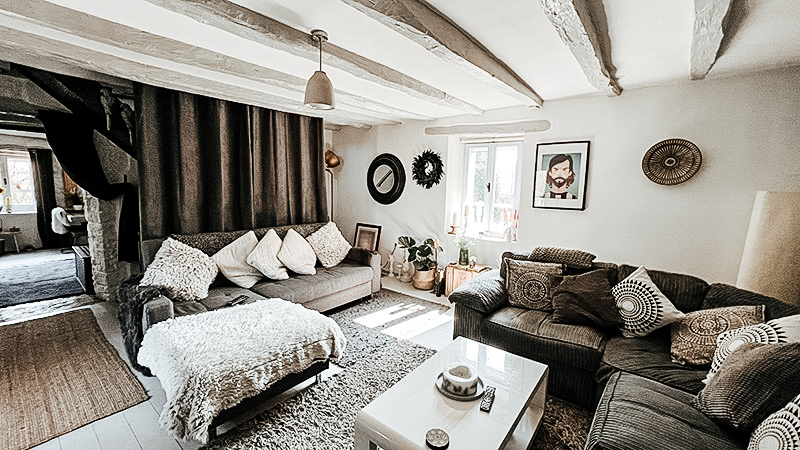
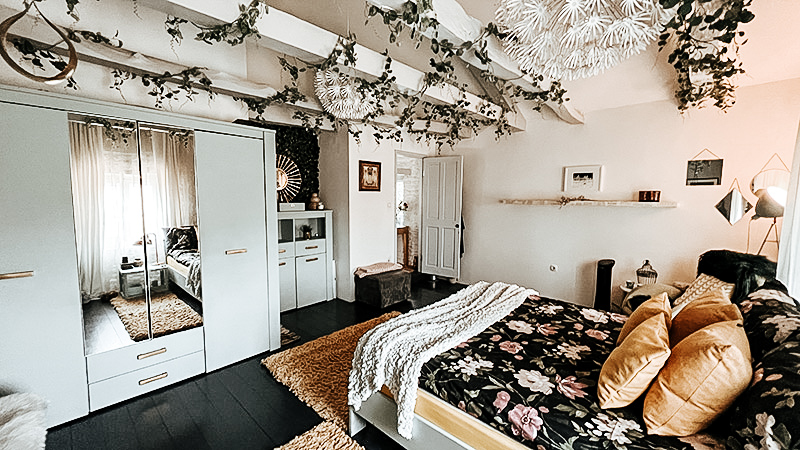
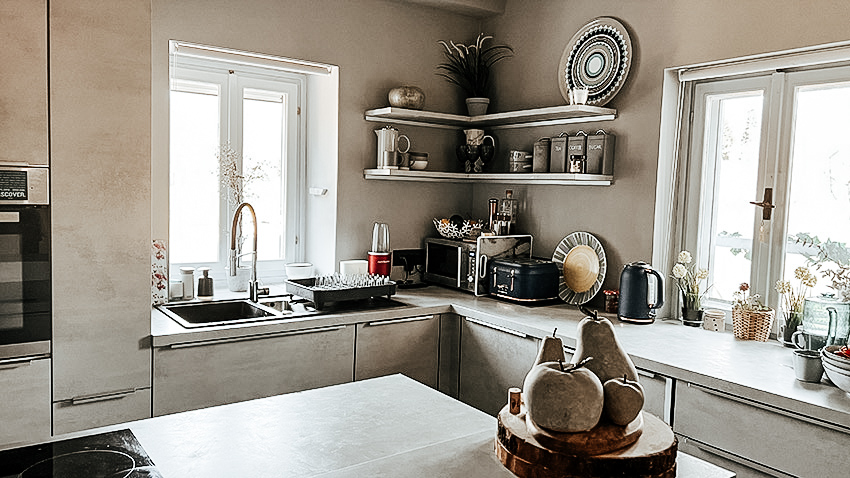
Our apartment, Rialto 13, was situated just off Piazza dei Signori, so very central. It was on the fourth floor of a very old building, so no lift – just lots of stone steps. But, once inside it was a haven of modernity – a really, really well equipped separate kitchen which would be perfect if you were staying more than one night, a large bathroom with a washing machine (again, a plus point for longer staying guests) and a big bedroom, which was very tastefully furnished.

Our overnight trip was unfortunately all too short on this occasion. We had a date with IKEA, the following day – and unlike when we lived in West Didsbury, it’s now not as easy as popping over to Ashton or Warrington. From Treviso our choices were east to Padua or west, and back homewards, to Villesse, just outside of Trieste. So we had to hotfoot it through Treviso to get back to Villesse – but not before we’d savoured some of the some amazing sights that the city has to offer. Enough for me to have already been looking at a return trip…